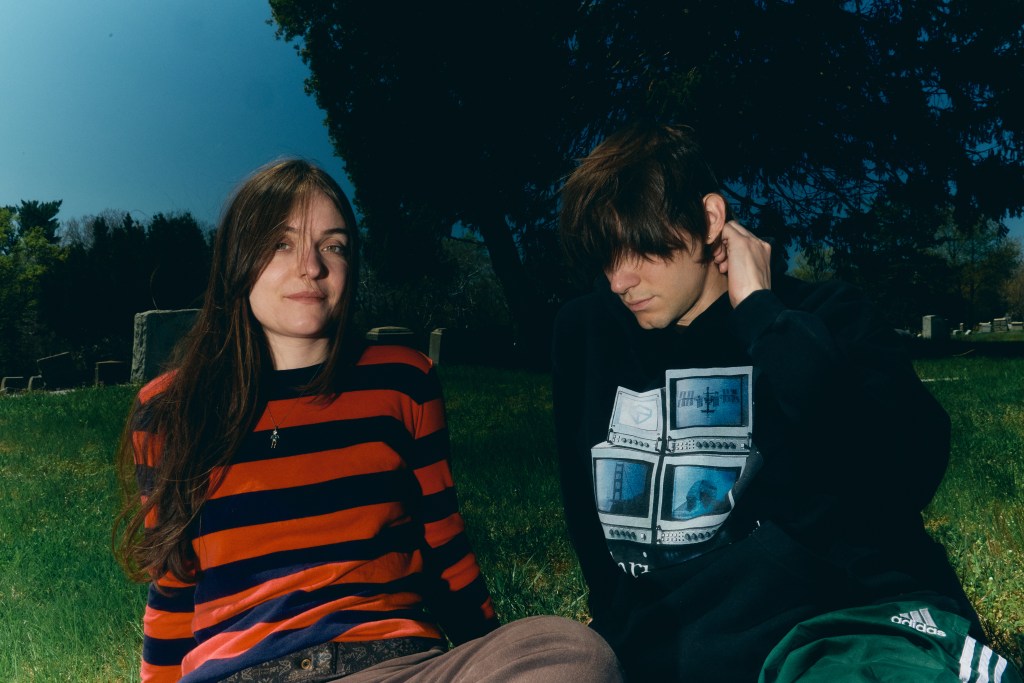
The former Black Flag singer on Lux and Ivy, archival work and life in Cramps World.

Henry Rollins has done more in the last few decades than most people could reasonably hope to accomplish in three or four lifetimes. Recently, he’s been working in tandem with his best friend Ian MacKaye under the moniker of RAM Productions, releasing previously unheard music from The Cramps. The cult favorite American band has enthralled listeners since their first single in 1978. They’re as beloved for their inimitable, punk-slashed rockabilly sound, as they are for their image of deliciously unwholesome, B-movie glamour-ghoul strangeness.
Seeing The Cramps play in Washington, D.C. in 1979, was a pivotal moment for teenage Rollins and MacKaye. “It was a break from my job, taxes, death, school”, Rollins said of attending the band’s gigs as a young adult. “For an hour and a half, you screamed and you were a teenage werewolf. It’s just a big funfest. And then you go home and you can’t wait to see them again.” Rollins’ work as a devoted archivist and guardian of rock and roll, punk rock, and music history makes his involvement with preserving the band’s legacy the consummate definition of a full circle moment. “They keep me so busy that I call it Cramps World,” Rollins told me. “I love being in Cramps World. Cool movies, cool soundtracks, cool bands they’re into that got me into them: Link Wray, Hasel Adkins, this doo-wop, rockabilly world of fantastic degenerates. It’s just a great place to be.”
After first seeing The Cramps in 1979, Rollins and MacKaye both went on to start bands. MacKaye played in the Teen Idles and formed the bands Minor Threat, and Fugazi, all of which released their records on his own independent label, Dischord. Rollins joined the DC hardcore group State of Alert before moving to California to front the hardcore punk outfit Black Flag. He founded his own publishing imprint, 2.13.61, and forged a career as a writer and a spoken word artist while leading the Rollins Band. The fact that Rollins and MacKaye are now harnessing their energy and expertise to release unheard tapes from The Cramps, the band which played such a vital role in luring them towards a life in punk rock, is an extraordinary bit of cosmic timing.
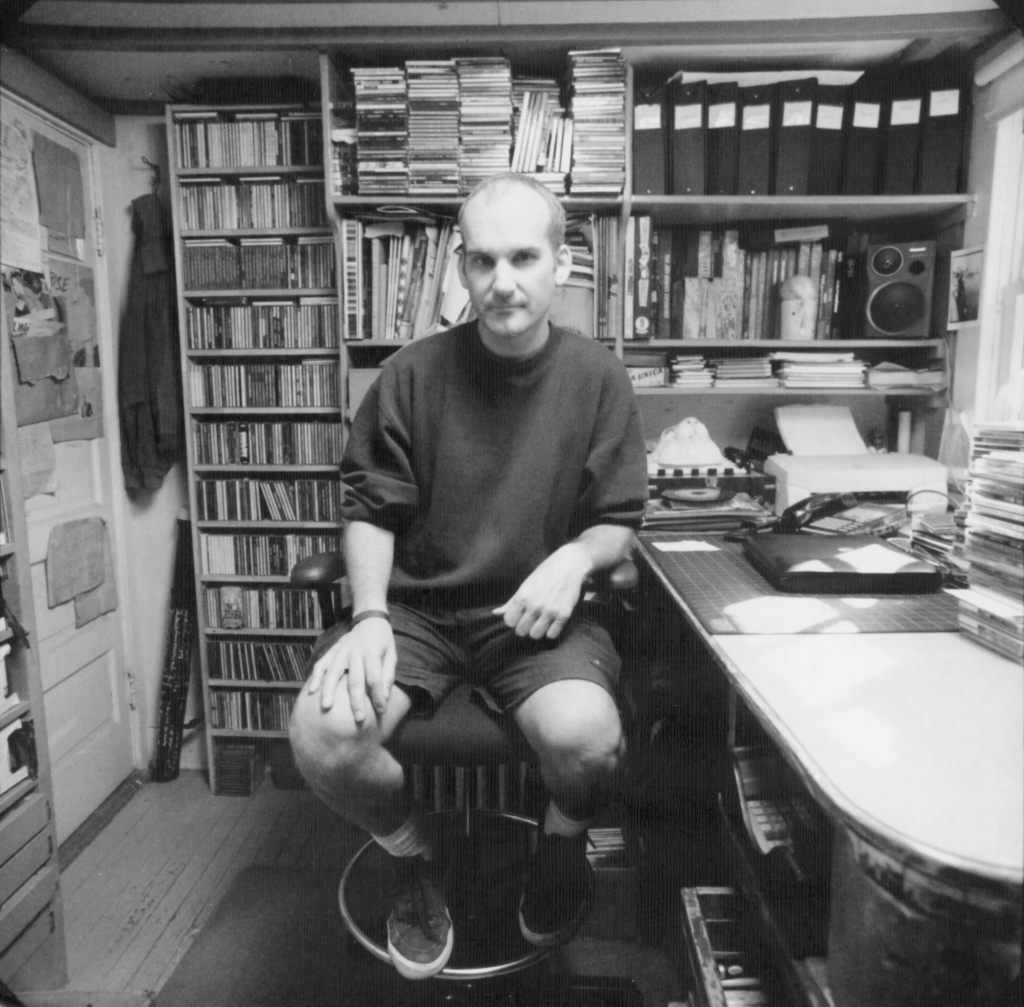
After the death of her partner, The Cramps’ lead singer Lux Interior, in 2009, the band’s guitarist Poison Ivy largely retired from public life. The band’s record catalogue eventually went out of print. Larry Hardy, owner of In the Red Records and a longtime friend of the band, remained in contact with Ivy, checking in and helping her out around the house. Eventually, he formed Cramps Inc., on her behalf. Composed of Hardy, film producer Jimmy Maslon, and Ivy, Cramps Inc., have relaunched the band’s label, Vengeance Records, and begun putting vinyl back out. Rollins and MacKaye are in charge of the band’s tapes, tracking down masters, mixing multitracks, working on audio preservation and choosing mixes for future releases. With a fanbase as fanatic as Cramps-loving folks tend to be, this kind of work is a delicate operation. “It’s like sending a group of people into space,” Rollins said. “You can’t blow up the ship. So, we take our time, and we listen over and over and over, and we take notes… We can’t get it wrong—it’s The Cramps.”
The projects currently coming to fruition have been in the works a long time. Rollins recalled previous conversations with Hardy, whom he’s known for over thirty years: “I was always bugging him: ‘What’s up with Ivy, where are the tapes, what are we doing?’ At one point, I said, ‘I really want to talk to Ivy about archiving. Like, the house is full of rare paper—bugs get to it, the rain gets to it, it’s carbon-based, it’s rotting. It’s turning to dust; I want to slow that down. Where are the tapes?’ ‘They’re in the garage.’ Oh, no!” Rollins paused, having caught my panic-stricken look. “I saw your face, you understand. That’s how you lose tape. Like, three bad winters, you will lose the tape. It’s sturdy stuff, but you can corrupt it.”
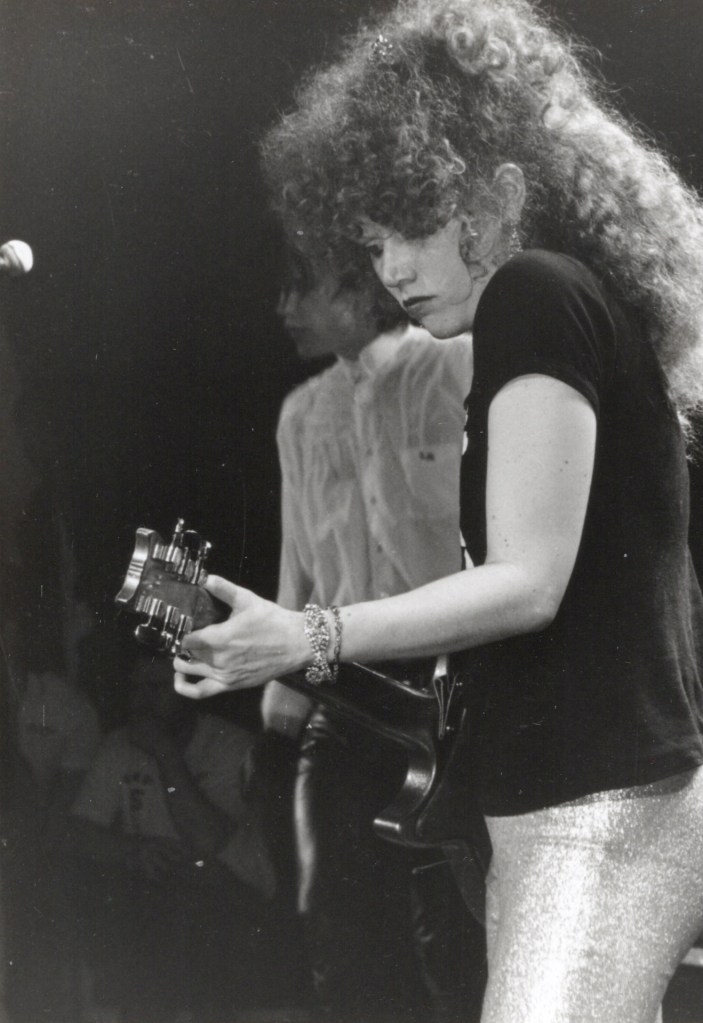
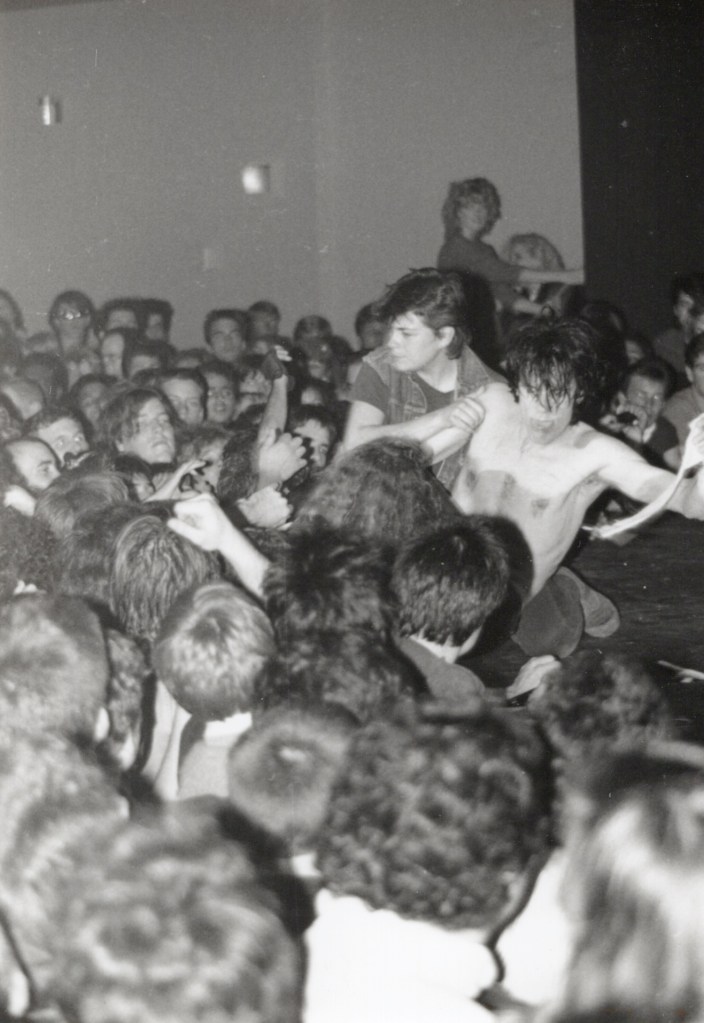
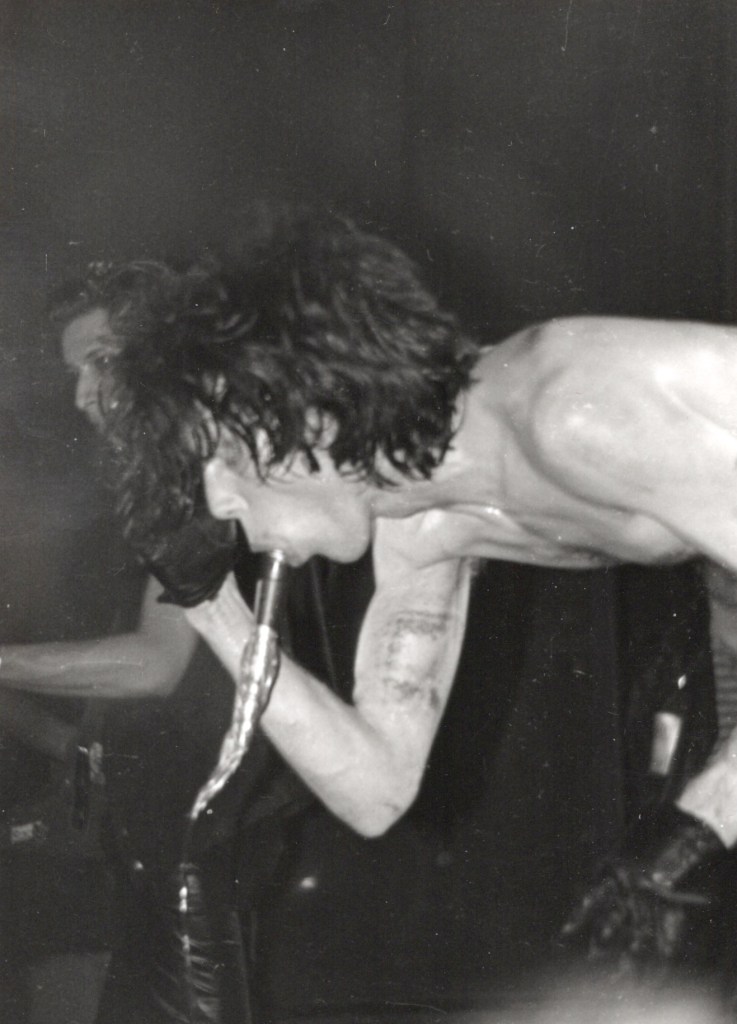
Once the tapes (miraculously unscathed by time) were moved from the garage, a surprising discovery was made. Among them were seven quarter inch tapes of an unreleased Cramps album entitled ‘Gravest Gravy’. The tracks had been recorded during the same Advent Studios sessions with Alex Chilton in October 1977 that resulted in the band’s first single. Lux and Ivy worked on ‘Gravest Gravy’ sporadically from 1989 to 2008, then shelved the project for unknown reasons. On August 21st, through the efforts of Cramps Inc. and the team working with them, the album became the band’s first new release in 23 years. From the moment of its debut, ‘Gravest Gravy’ has been met with glowing reviews. Vinyl is flying off the shelves as The Cramps win over a new generation of fans from beyond the veil. “‘Gravest Gravy’ entered the Billboard charts yesterday,” Rollins said. “I wish Lux was here to see that. In his lifetime, he always wanted to be in Rolling Stone. They never covered The Cramps, and I don’t get that. Lux was all bent out of shape about it. I would love to know the reason.”
Another release is already looming on the horizon: a seven-inch record featuring an unreleased vocal of ‘TV Set’ and an unreleased mix of ‘Can’t Find My Mind’. According to Rollins, it’s just the beginning. Earlier this year, when the first press releases came out announcing ‘Gravest Gravy’ and Rollins’ and MacKaye’s involvement with the project, missing pieces of the puzzle started turning up. “People came out of the woodwork,” Rollins said. “‘Hey, my dead uncle was the engineer on that session. I’ve had his Cramps tapes for decades. As soon as I saw it was Henry and Ian, I knew it was the right guys for the job. You want the tapes?’ I drive down to Memphis and meet the guy, he’s really cool. I pick up the tapes…That has happened three times.”
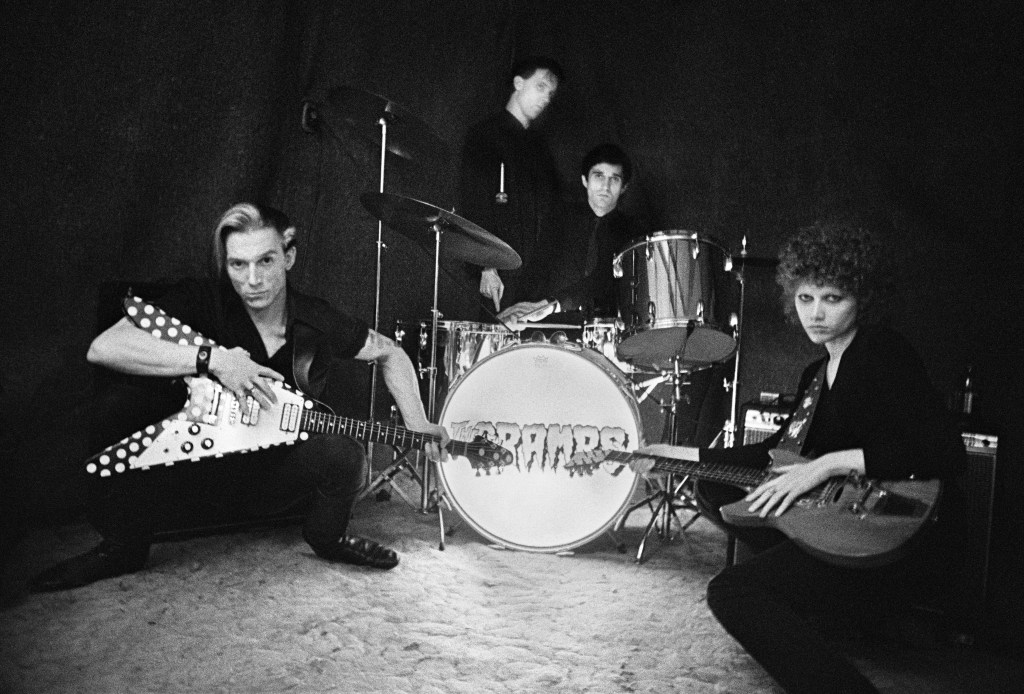
Cramps material seems to keep surfacing from the depths of the garage, as though it were a portal to another dimension. In a way, it is. The Cramps created their own world, multifaceted like a diamond. Many sides of it remain shrouded in mystery, due to what Rollins describes as Lux and Ivy’s perfectionist tendencies, and their high regard for privacy. Recently, Hardy uncovered yet another gem. “I was talking to Ian on Sunday,” Rollins smiled. “I said, ‘I just sent you an MP3. Put in your bite plate and put your helmet on.’ He listened to it and said, ‘I can only listen to a few seconds more ‘cause I think I’m gonna faint.’ I’m like, ‘I know!’” MacKaye immediately inquired after the location of the multi-track tapes. “Who knows?” Rollins says. “With every, ‘What the hell is this?’ discovery, there’s an accompanying ‘where’s the…’ It’s almost as if Lux and Ivy took a bunch of tapes and hid them all over America and went, ‘In forty years, we’re going to have intrepid punk rock sleuths going all over the place trying to find the Maltese Falcon.’ We are on the hunt. It’s fun, it’s exhilarating, and it’s what this job requires.”
“We’ve been making these radical discoveries. I’ve never worked with a band on a project like this, where you’re archiving the music, going through the archives, and we’re making these insanely cool discoveries… I’ve been sleuthing music for forty-some years. I’ve never heard of a record like ‘Gravest Gravy’. Like, where the band mixed it, shelved it, and no one knew, until one guy went, ‘Hey, what’s this?’ I’ve worked on a lot of records. I’ve been on them, I’ve produced them, I’ve edited them, I’ve done the press releases, I’ve helped lay out the cover. This is the record I’m most stoked about. If someone said, ‘Okay, you’re going to die in ten minutes, hold up the one record that you were involved with that you were most stoked about,’ it’d be ‘Gravest Gravy’.”
With their skills honed via gigs at venues such as Max’s Kansas City and CBGB’s, the band’s youthful raw power is on full display. Ivy’s guitar is clean, incisive and commanding. Lux’s singing is split between a sultry, melodious drawl and raucous hillbilly hiccups. Bryan Gregory weaves a thick, smoky haze of distortion and Nick Knox lays the beat down with startling, uncanny precision. “We didn’t just say, ‘what’ll we do?’ Rock and roll chose us,” Ivy said in a television interview in 1998. “It was a bigger force than we have ourselves. It was the force that chose us to do this.”
But the question remains: Why didn’t the band release ‘Gravest Gravy’ sooner? Why did they work on it on and off for so long, without letting it go? “We just found more materials and information from 2008,” Rollins revealed. “I’m thinking, maybe it was going to be the last Cramps album. Which would have been the perfect boomerang. First release: October 1977, Ardent Studios, Alex Chilton…Last ever Cramps record: back to Memphis, Alex, October 1977. And we land the plane right where we got off…Everyone would have said, ‘That’s the most perfect end to a recording catalogue.’ To come back again? Who does that? Maybe that was this beautiful, poetic way to end it. If that was the case, damn! That’s so cool. It’s just a theory, but it makes a lot of sense.”
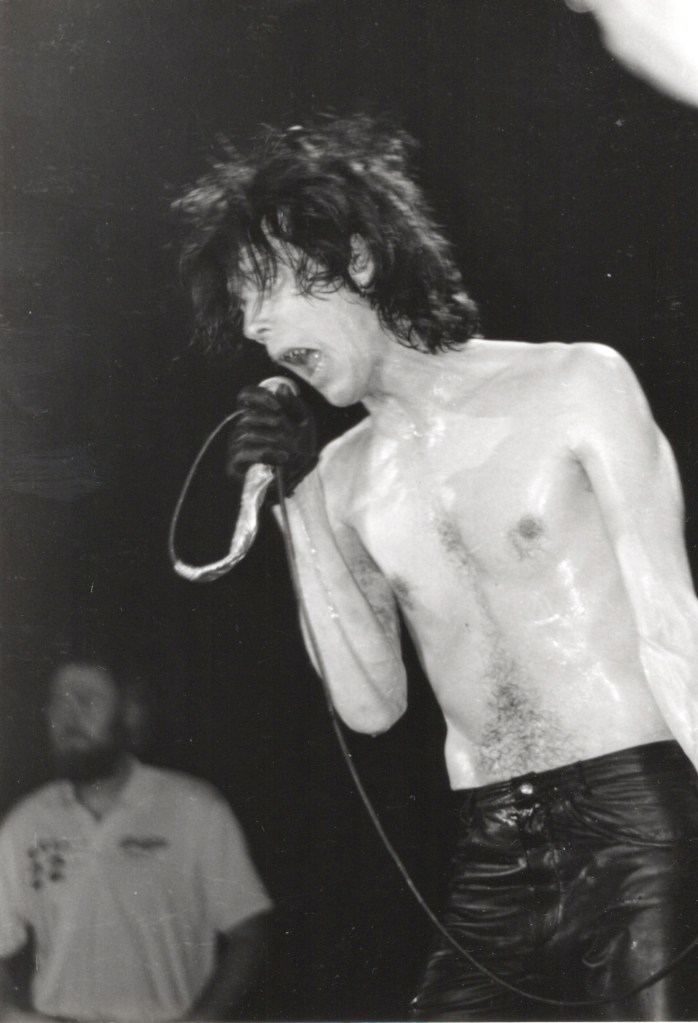
“We’re a true rock and roll band, which is more than just a musical group,” Lux Interior said in an interview on Canadian television in the early 1990s. “We stand for something. We represent our fans…It’s a little bit like we’re diplomats in a foreign land, or something.” Despite feeling that the question was in some way sacrilegious, I ask Rollins whether he thought the band’s image were stage personas they slipped on like magic cloaks each time they faced an audience, or if they lived their whole lives in the unique realm they had created.
The answer, like the band themselves, is multi-faceted. “The Cramps believed in the show,” Rollins states. “You come out, you’re a comic book character. Dracula is a guy with makeup; the fangs come off for lunch. We get it. But it’s still like, ‘Whoa! That’s intense!’ That’s kind of The Cramps. You know, like Lux is going to put on the clothes, and they’re probably going to come off. Does he take his clothes off at the bank? I doubt it. It’s not a Cramps show…”
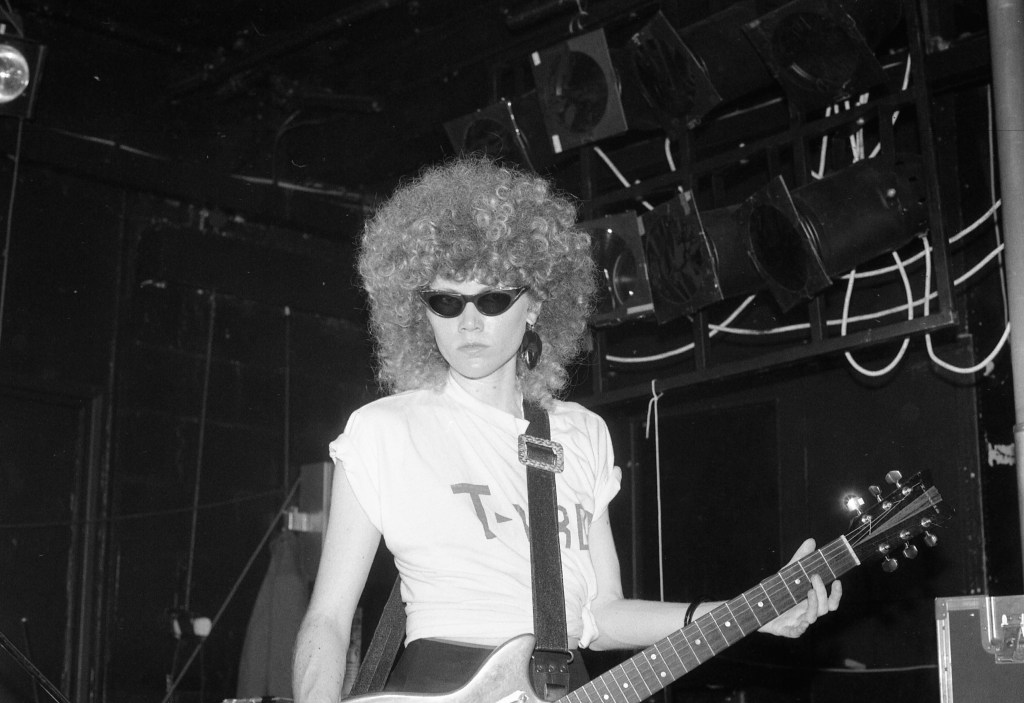
“If you’ve ever looked at Ivy onstage, she has either a slightly pissed-off or bored look on her face. You look at her and she’s like, ‘not today, pal.’ It made her look even cooler. But when you hang out with her, she’s this gentle, soft-spoken, very small person…She’s so nice. And Lux was always friendly and funny. Onstage, he would yell at the audience, but it was always a joke. Like: ‘All of you stop talking!’ and everyone’s like ‘wha–?’ ‘I’m about to turn into a—’ And everybody says, ‘HUMAN FLY! YAY!’”
“The stage thing is part of the show, which is an old school thing,” he explained. “Look at the movies they like, like ‘Faster, Pussycat, Kill, Kill!’. Listen to the DJs they liked. Pete Meyers, The Mad Daddy – listen to those air tapes, the guy is a lunatic! It’s the best. And like, he doesn’t talk like that in the supermarket… So, it’s kind of a put-on onstage, but it’s not fake. It’s part of being a Cramp.”
“I have a lot of Lux’s stuff here now,” Rollins continued. “I have his gym clothes. He was a tall guy, so these shirts are like five feet tall. He would go to a gym in Glendale, but he’d wear sunglasses! He was a Cramp, man! When you’re a jet, you’re a jet all the way – ‘Westside Story’ reference. At the supermarket: sunglasses. Larry had to go pick up Ivy’s mail, because she hadn’t been there in a while. He goes in there, and the guy said, ‘Is that cool lady in the sunglasses okay?’ Larry said, ‘Ivy? Yes, she’s fine.’ The cool lady in the sunglasses! It’s California, it’s bright and sunny outside. But she’s a Cramp, man. Sunglasses at all times! So, it’s real. As far as putting on the image and all of that, I think Lux and Ivy were fiercely devoted to being The Cramps. They came up with it. It’s their vision.”