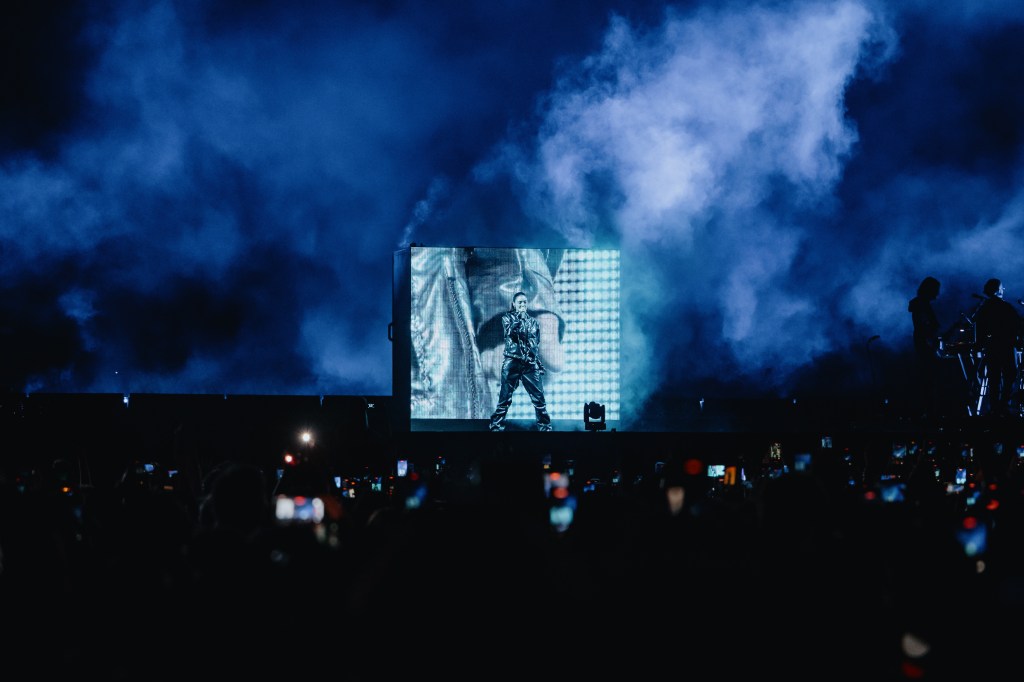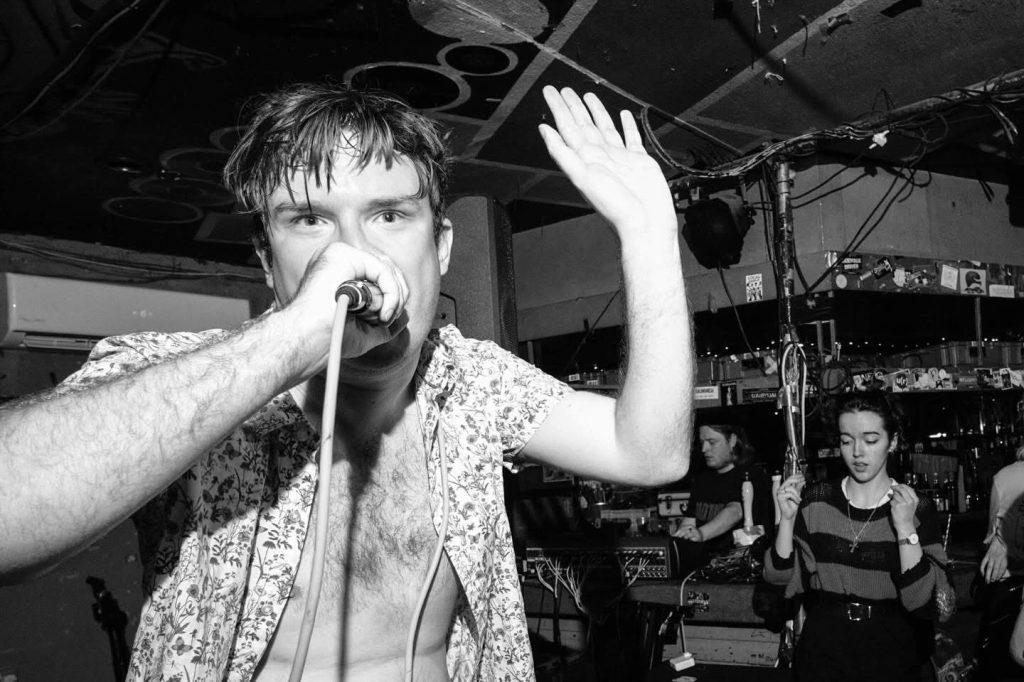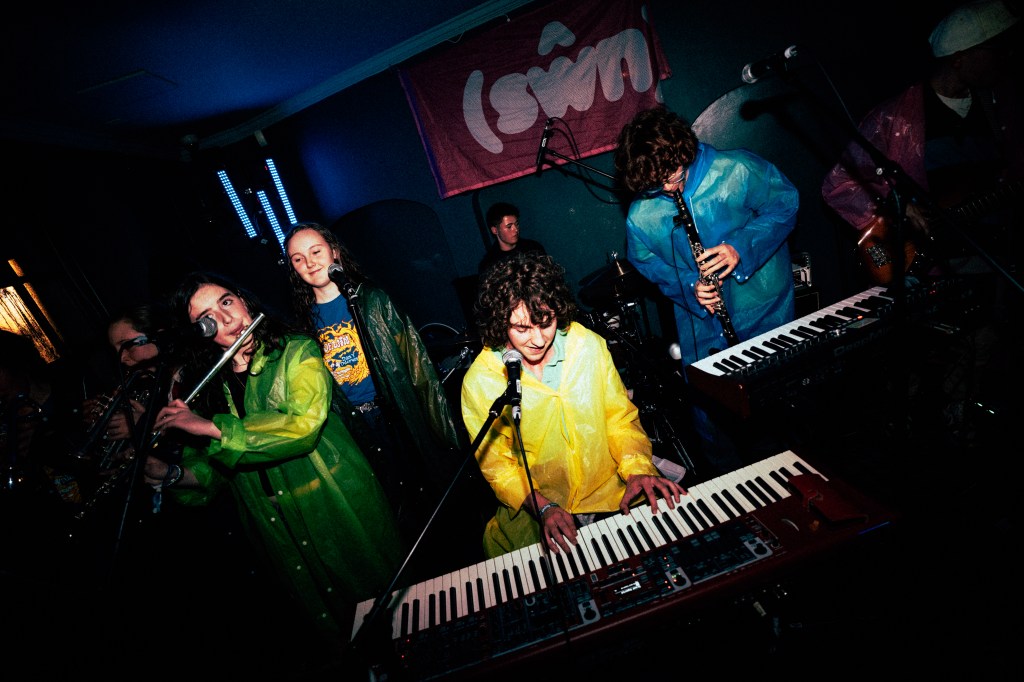
An outstanding showcase guided by Lorde’s curation is inescapably set against a backdrop of climate anxiety amid the dust of Victoria Park.
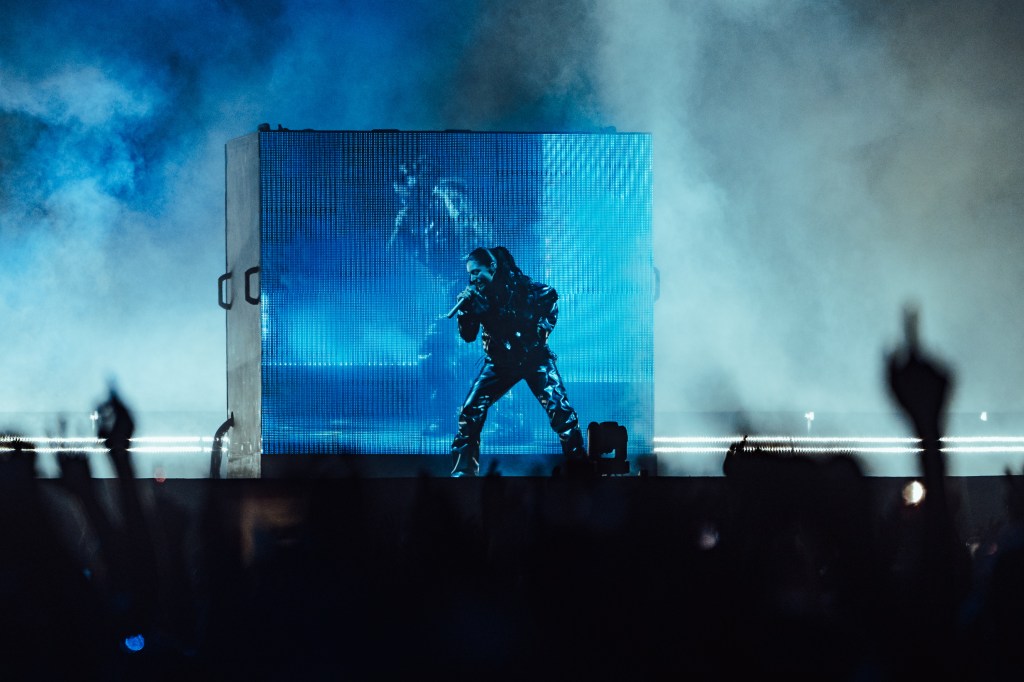
A piece of All Points East 2026 will surely stay with me forever. It will live inside my lungs for an eternity after 50,000 people descended on a sun-scorched and drought doomed Victoria Park to see an unbeatable line-up and kick up an apocalyptic, air-smothering layer of dust.
It didn’t rain in London for the whole of July. That makes it the driest month since records began in 1836, and the first time the city has ever gone a whole 30 days without its characteristic drizzle. Instead, the city stuck hard to high temperatures, averaging at a maximum of 28 degrees but with heatwave peaks soaring to 35 regularly.
This will be the new normal. July 2026 was not a freak accident, but simply the next step on a ladder. As we witness the effects of global warming on the news through major natural disasters, it is easy to forget that this is in the name – it’s getting hotter.
It is also easy to forget that we had all these conversations this time last year, when the Maccabees headliner at All Points East 2025 was covered in the same throat-clogging, lung-coating fog of dust. It’s time we start discussing these things as the new norm, stop getting caught up in the “Isn’t this crazy?”, and start actually talking solutions.
Lorde’s headline date at All Points East should be an eye-opener and a lesson learned, in two ways.
Let’s begin with the positives. With each new announcement and new name added to the event, this date in the festival’s history was shaped up to be one of its greatest, and strangest. It is reminiscent of Mitski’s headline which brought together a perfectly curated line-up including Ethel Cain, Beabadoobee, Suki Waterhouse and more. That was a lineup that saw its audience and catered to it. In the more left-field choices for Lorde’s day, this too was an event that understood its audience.
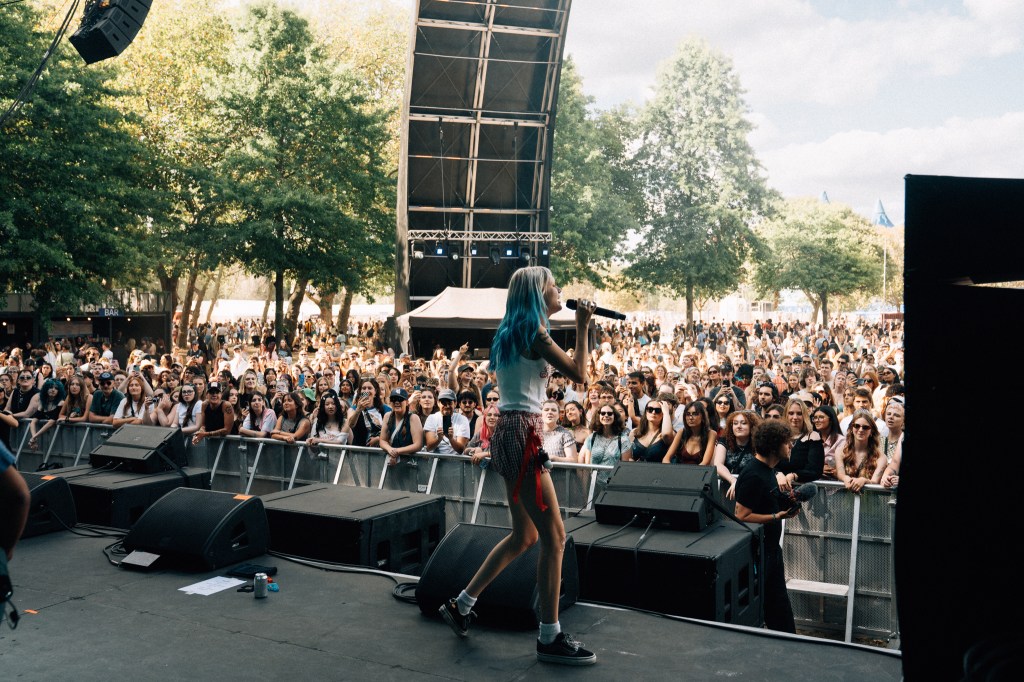
During her era-spanning set that delivered all the hits as well as her most moving fan-favourite deep cuts, Lorde talked about the role she’d played, not just heading the bill but acting as a curator. She praised the festival’s openness as she threw names at them, likely being the one prompting choices like 2Hollis, Oklou, Rose Gray and the day’s more electronic side that booker might not necessarily think of or fit next to her. A lot of people would think Lorde and simply think indie, think sad girl music, think Tumblr and teenagers. But the line-up at Victoria Park was way more than that, honouring the artist’s experimental side through its choices, but also honouring the fact that her crowd and her fans are not one-note. Having the artist involved as a curator made for something great.
It even made for a day that ran smoother than any other events at Victoria Park in recent memory. By scheduling major clashes, but on two sides of a genre divide, it meant that the crowd actually did split – half to Audrey Hobart, half to 2Hollis. Half to Djo, half to Pinkpantheress.
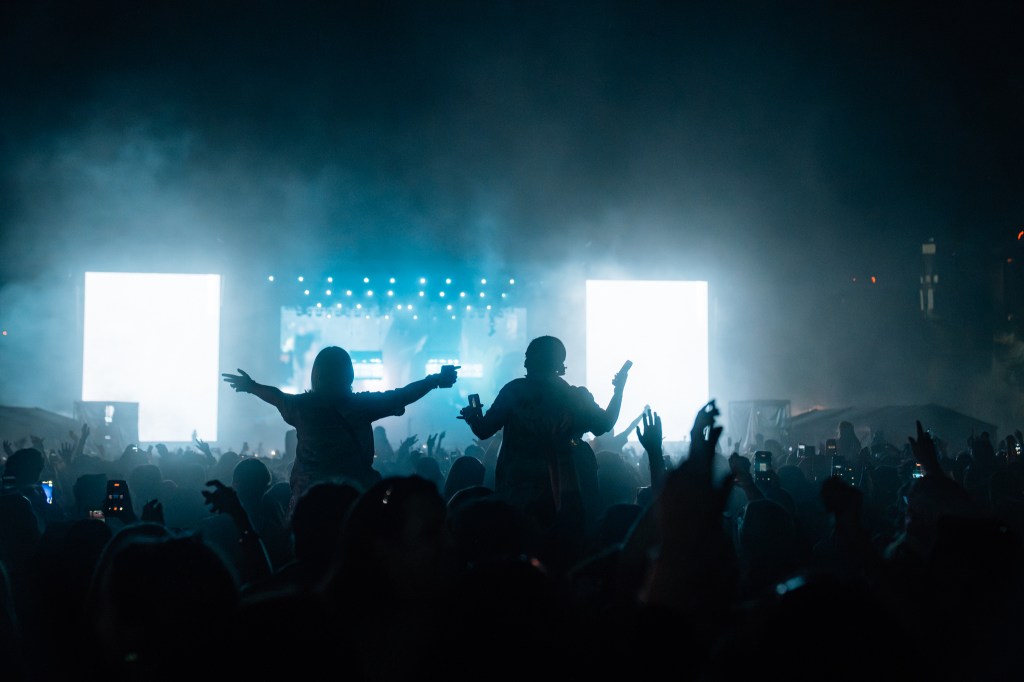
But it was during that second tricky dilemma where the killer of the day became unignorable. As the entire crowd stampeded to the west of the park, 50,000 pairs of feet kicked up a cloud of dust that made everything turn an ominous shade of orange-brown and sent everyone scrambling to cover their nose and mouth out of survival instinct.
Victoria Park is completely and utterly dead. Earlier this year, Lido festival rescheduled their own event there, moving from June to August, citing the ground conditions as their reason, wanting to give local residents more time to enjoy the park before APE and Lido undeniably ruined it again. With several dates of the festival left to go, as well as the Lido dates, it is hard to picture how the spot will ever recover, especially given that in August too, there hasn’t been much more than a drizzle.
How does live music deal with this? The industry is squeezed enough as it is, events simply can’t afford to be investing in park maintenance, or even things that would have made Lorde’s headline date feel less horrific on the health, like having more water points or handing out masks. Back in June, when Glastonbury would have taken place during one of the summer’s most intense heatwaves, the question was raised of whether its occurrence would have even been safe. 210,000 people, little shade, only ever a limited amount of ice that becomes a scarce commodity even when it’s not 35 degrees – how will the festival go on next year when the temperatures keep rising? The safety concerns only grow, and the farm, one would imagine, cannot have made much of a recovery in this scorching fallow year.
There are a lot of problems in the music world, too many. It is easy to turn a blind eye to some while trying to sort out things like gender equality on line-ups or recycling at festivals. But at the end of the day, a festival can only happen if the ground is safe to be on. As I cough up remnants of a great show, it is harder to focus on the amazing performances when my throat feels like it will never be clean of dust again.