Her new EP is a pastoral ode to the solitude traveller and a love letter to the North.
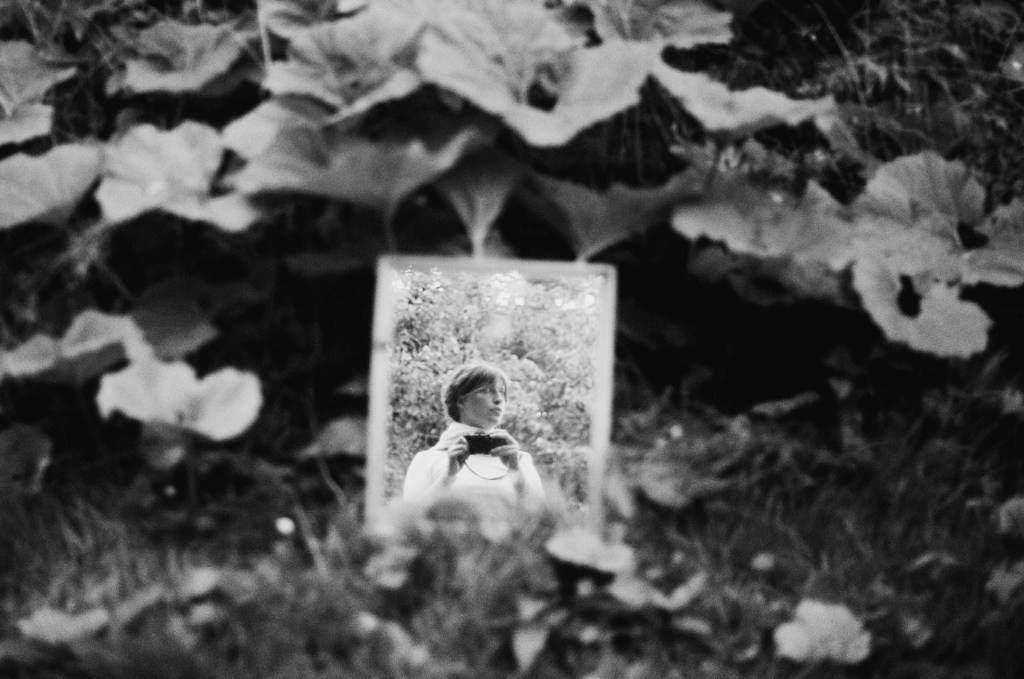
Natalie Wildgoose’s folk-inflected storytelling marries the bucolic and sublime in her new EP ‘Rural Hours’, released by state51. This collection of tracks captures glimpses of distant lands and bygone eras, conjuring a world unencumbered by the city’s chaos. Wildgoose’s angelic, lilting vocals, combined with her rich instrumentation, provide a comforting warmth; a remedy for our hurried lives. ‘Rural Hours’ is an ode to the pastoral, a guide for the wandering traveller, and a love letter to the North.
Wildgoose’s intimate and heartfelt sensibility is on full display throughout the EP, especially in the opening track, ‘A Dream in Winter’. Her echoing, soft-spoken vocals drift over a sparse, mournful piano melody; an exposed vulnerability deepened in the lyrics, “Hope’s in your hand and love on your shoulders”. Overlaid with the static of old records, ‘A Dream in Winter’ feels at once long forgotten and eternal, a beautiful antique holding pride of place on the shelf. These contemplative vignettes recur throughout ‘Rural Hours’. ‘Wind Callers’ brings to life the siren call of the Yorkshire Dales. Beginning with Wildgoose’s gentle fingerpicking, the track builds into a vast tapestry of vocalisations. Coupled with Owen Spafford’s melodic fiddle, ‘Wind Callers’ takes on an orchestral boldness, forming a sonic relinquishment to the land’s passionate spirit.
While this EP speaks to its rural muse, a melancholy undercurrent runs through each track. The lead single, ‘Nobody on the Path’, captures the solitude of self-discovery amid these Arcadian surroundings. Opening with her signature acoustic melody and wistful vocals, the track lulls you alongside a murmuring creek. Yet, phrases like “oh, the head, quarry of lead” and “see the crows up in my hair, beating out in protest” highlight the inevitable calamity of the mind as it wanders. Wildgoose guides us along this journey, encouraging us to release our burdens for just one moment of quiet contemplation. This dichotomous relationship between instrumentation and lyricism is notable in both the pastoral hymnals, ‘Sibyl’ and ‘River Days’. The latter, combining Chester Caine and Chris Brain’s upbeat guitar, echoes the style of ’60s folk artists such as Vashti Bunyan and Linda Perhacs. Despite this brighter musical arrangement, ‘River Days’ weaves a story of longing and heartache; desiring to remain forever amongst loved ones. With the sensation of “coffee in her bones” and a “bruise on her shoulders burned by the sun”, Wildgoose rests in the idyllic bliss of a river day. Recognising how rare such occasions are, she concludes with the refrain “tell the angels I’m done,” preserving the moment’s sacrosanctity.
Written and recorded across numerous isolated buildings and bothies across the Yorkshire Dales, ‘Rural Hours’ is as faithful to its subject as a Lewis Creighton landscape painting or Wordsworth’s ‘Journey Across The Hambleton Hills’. Concluding with a track that feels older than time itself, ‘In the North’ is Wildgoose’s personal homage to her homeland. Opening with a skeletal arrangement of piano and vocals, Wildgoose envisions her landscape, describing the “fog running off”, “the dark sky”, and the “grass in the heather”. Bemoaning her inevitable return to the city, she elongates her words, allowing the notes to linger a little longer in her “dark, tangled Moorland”. Rich with her ancestral roots, ‘In the North’ is both a pertinent reflection on the land and a reverence for her family’s history. As the track draws to its close and the piano softens, Wildgoose emphasises the true essence of ‘Rural Hours’: “the future looks good in the North”.