
Speaking at this year’s Green Man Festival, the bands explore the power of music to agitate for change in the shadow of the situation in Palestine.

“There are wars, famine, protest, and killing,” said Serbian performance artist Marina Abramovic opening PJ Harvey’s set at Glastonbury festival in June. “We can all give unconditional love to each other. It’s the only way to change the world.” A seven-minute silence followed, with Abramovic raising her arms to reveal her dress as a white peace symbol.
Before her speech, dozens Palestine flags wove through the crowd, people shouting “Free, Free Palestine.” It was no challenge to notice a tendency for avoidant camera lenses on the TV coverage, moving away from the flags toward less animated audience members. Despite the presence of protesters, references to Palestine were rare on the main stages, with artists opting for broader calls for peace and a globalised sense of conflict. Abramovic later told the BBC: “Protest brings more protest; hate brings more hate. It’s easy to criticise, but what can I do within myself to change?”
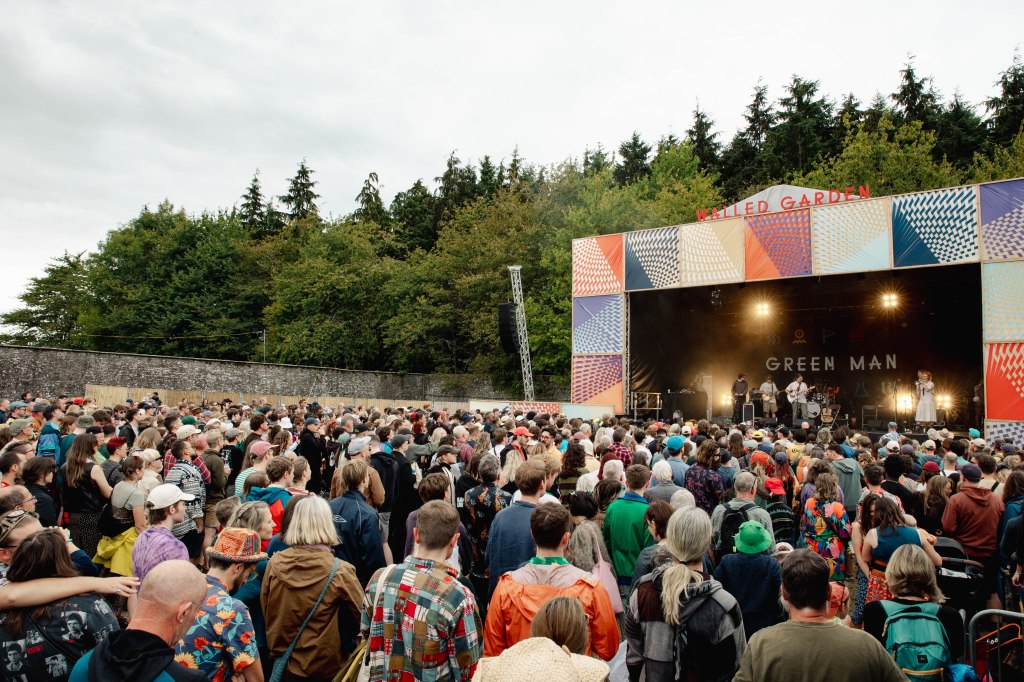
Over the summer, festivals, gigs, and boycotts have highlighted how other musicians are responding and relating to the crisis in Palestine. As well as fundraiser shows and campaigns for aid groups, there have also been a number of high profile boycotts by bands of festivals such as The Great Escape and Lattitude over calls to drop sponsors like Barclays, who have been seen to profit from the Israeli attacks on Palestine. We used the independent festival Green Man as a space to interview some such artists, with its thriving community of attendees and performers proving to be a pertinent background for discourse and expression. From the lush beauty of the Brecon Beacons, we drew out varying ideas with a unifying sentiment: musicians can leverage their platforms as a medium for effective political change.
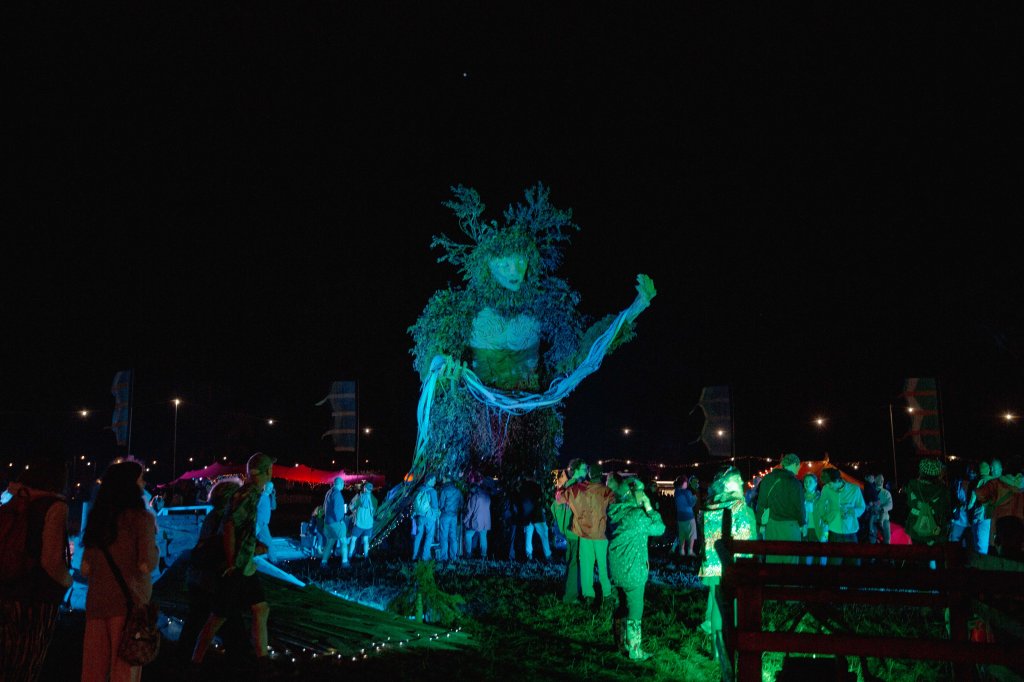
In Palestine
The impetus for much recent protest through music has been the killing of nearly 40,000 Palestinians in the Gaza strip by the Israeli military, 17,000 of which were children. The scale and intent of such violence was put unequivocally by Craig Mokhiber, former director for the New York office of the UN High commission for human rights, as “a textbook case of genocide.”
In the past 11 months Netanyahu’s leadership has shown an incommensurable commitment to the eradication of Hamas, as an allusive a goal as the organisation it wishes to destroy.
The situation in Palestine has become a crystallisation of all the issues plaguing European state politics, concentrated into one geographical area; globalised capitalism, the United Nations, Human Rights councils and mass protest have been unable to prevent the onslaught of violence. Israel’s disregard for the decisions made by western institutions and the continued support they receive from the United States are part and parcel of why Palestine has cut through so sharply into the UK’s cultural discourse.
Activism in live music
Organised activism has, to some extent, worked in the UK, with over 35 universities launching encampments, and IDF associated conglomerates like McDonalds and Coca-Cola losing substantial profits due to BDS boycotts.
Live music, as our best physically attended cultural industry, has been a vital tool in educating and mobilising popular protest, perhaps best seen during 1980s Anti-Apartheid campaigns. Now it proves to be a near solitary means of communing the public voluntarily in a shared space and experience. The pressure on musicians, aided by social media scrutiny, has increased, urging them to politically engage with their audiences by literally ‘using their platforms’.
During an astounding summer of festivals, the plurality of ways in which musicians have spoken out around Palestine have become more visible. Protest, shares with music the unique affective quality of needing to be heard, and these festivals, by pitching temporary spaces for otherwise disparate communities to come together, provide a perfect arena for it. Smaller independent festivals which have deeper roots in their respective communities, are especially fertile ground for this kind of discourse.
Boycotts brought The Great Escape, Download and Latitude into contention as hundreds of musicians confronted festival partnerships with Israeli arms associated companies like Barclays. The litany of withdrawals successful persuaded Latitude to remove Barclays as a sponsor and The Great Escape have confirmed they will not be associated with them next year. Fundraiser shows have also grown in frequency. Some artists, such as Opus Kink, have begun addressing Gaza in their new material, appealing to a long tradition of using the emotive force of sound itself as a mobilising tool.
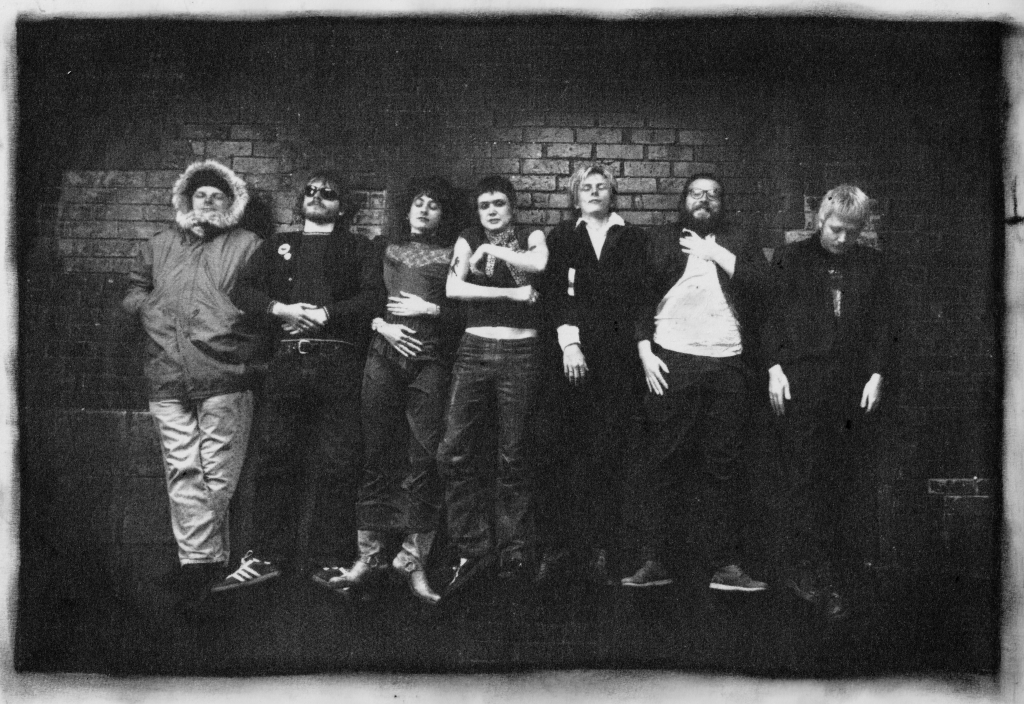
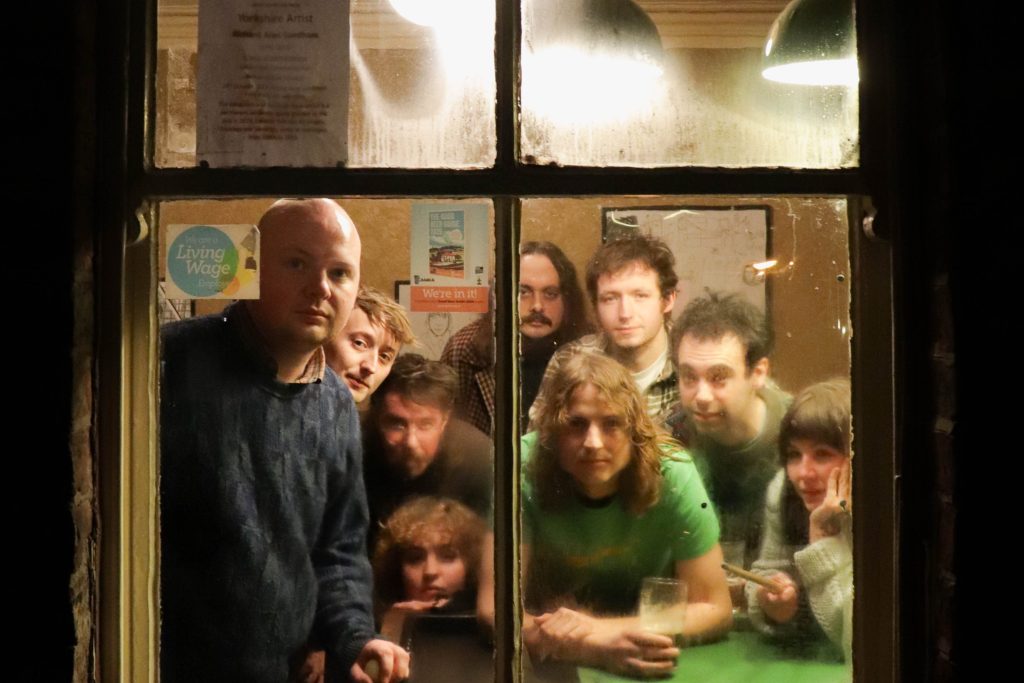
We spoke with members of Ugly, Tapir! And Black Country, New Road seeking further insight into how musicians are relating to the crisis in Palestine and what they feel their role might be in protest.
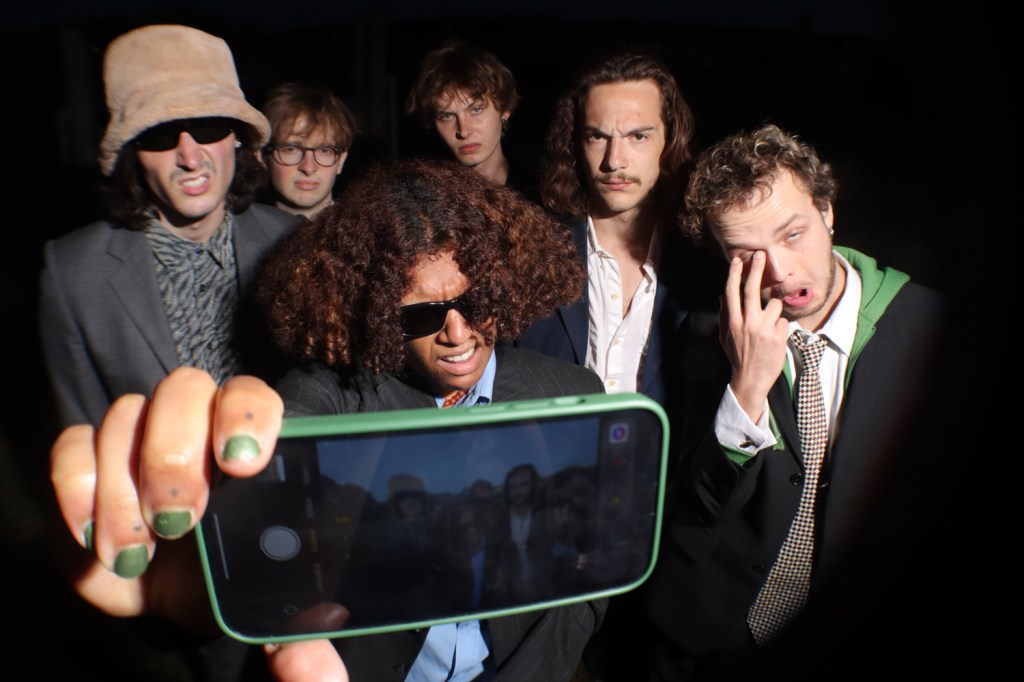
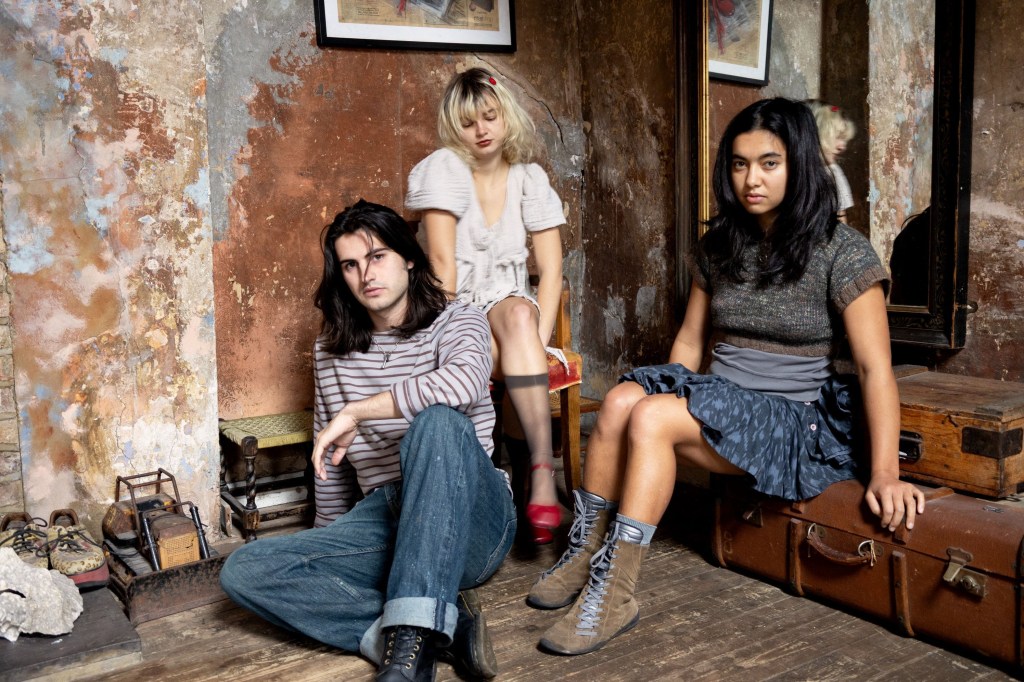
Ugly
I spoke with Jasmine from Ugly after their Green Man set. She argued that “the power of in-real-life conversation” was an “underestimated” strain of activism, capable of “challeng[ing] their audience, to make them see” complicity in a directly engaging manner. Jasmine also pointed out that, “Doing the work offline is what is sometimes lost on people. It’s super important. For me, you can do any one or more of these tactics, however it must always come from the heart and be sincere”.
When asked about her opinion on boycotts and how musicians could relate to action around Palestine, Jasmine told us what Ugly had done after playing at The Great Escape:
“We distributed handmade leaflets with further information on how attendees of the shows (at the festival) could boycott Barclays and close their accounts if they were Barclays account holders… We believed it was the right decision for us to play the festival, with the main objective of making it our priority to directly talk and address the audiences about the boycott and speak about our friends/artists who had dropped out of the festival/who were boycotting.”
Ugly’s approach to activism around Palestine appears to be founded on a desire to develop a relationship with their audience through awareness and expression:
“For me, I would generally mention Palestine by name at a fundraiser show – to remind the audience of why we are all actually there. At other shows, I generally may wear a symbol (such as a badge or flower) or let the music express ideas. To some people this may mean nothing, but this is my own way of expressing myself in regard to issues and problems that I am passionate about/fighting for.”
Tapir!
Also at Green Man, Will from ‘Tapir!’ had this to say on how important he felt it was for musicians to speak up about Palestine:
“Musicians do have a voice that people listen to, and it’s important to use that platform to keep this conflict in the public eye and show solidarity… I don’t think there is a single best way for artists to show support, though the fundraisers musicians have organised over the past year have shown they can bring in real money for medical aid or specific GoFundMe campaigns.”
In response to the boycotting of festivals:
“I have a lot of respect for the artists who faced that decision and joined the boycotts this year. Making money in music is harder than ever, and these summer festivals are a huge source of income for a lot artists, but it’s great that the collective action worked! The boycotts of Download, Latitude, and The Great Escape were able to get Festival Republic to drop Barclays as a sponsor this year. It is really inspiring to see that artists do have power when artists stand together.”
Emphasising the fiscal element of platforming a political issue is especially pertinent in the context of live music, because despite the industry being incredibly lucrative, musicians often have little means to fund their own careers never mind directing cash to charity organisations. Immediate material change for a conflict like Palestine is difficulty to conceptualise due to the embargo on aid, nevertheless the promotion of charitable campaigns can be an effective way of tangibly helping individual families leave the war zone.
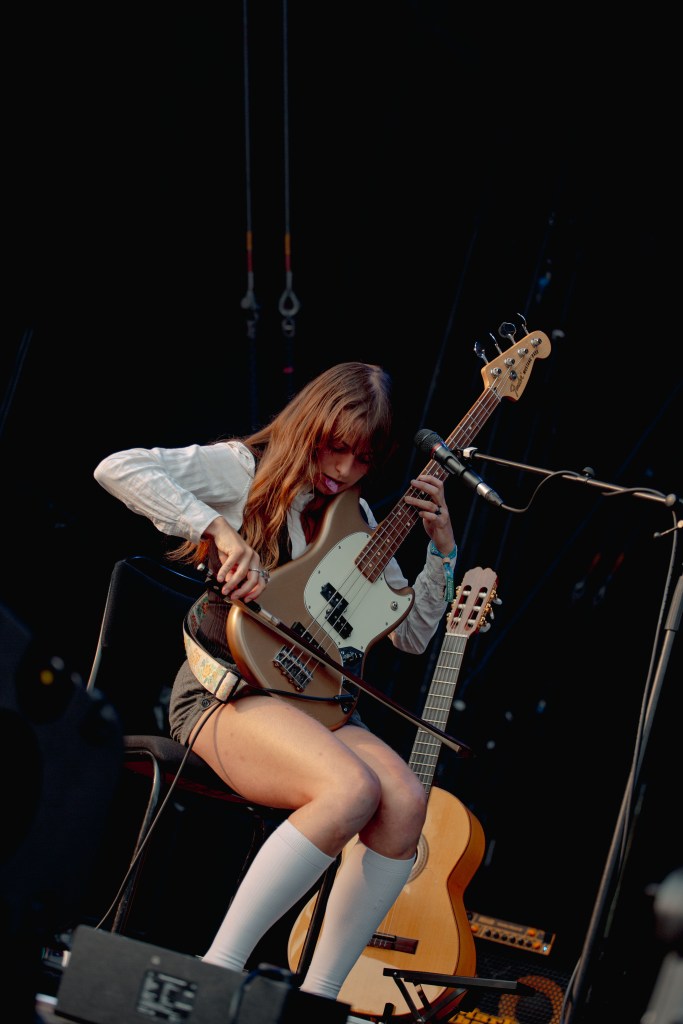
Black Country, New Road
Tyler from Black Country, New Road knitted together the feeling of potential in the music community for affecting change and the practical measures for which this might happen:
“One thing I often think about is the lack of fundraisers. These events need to be more frequent. There was a surge of them up until a couple months ago (in the UK at least) and I fear that the decrease in these benefit concerts represents a diminishing effort from artists and promoters alike. The conversation must not die.
“It’s not just about raising money and sending more aid to the people of Palestine). It’s also about acknowledging what a privilege it is to live in a world where we can make music, make money off it and go to shows. We should be making the most of these moments of unity and of our moments in “the spotlight”. Gigs are such easy and immediate conversational spaces.
“Fundraisers can come in all shapes and sizes. There are few excuses for organisations not to do more. The energy that the marches gathered and the global support for the Palestinian people must not dwindle.”
When asked about how important is is for musicians to engage with activism around Palestine, Tyler said:
“It’s vital. The most useful tool we carry are our voices. Not necessarily to preach or lead or educate, but simply to continue conversations. If you’re someone who cares, one of the worst things you can do is let the conversation run dry. As soon as people stop talking about the genocide it’s as if it ceases to exist. How dare we act as if the suffering of the Palestinian people no longer exists. No matter how many people follow or listen to you, your platform is needed to keep these conversations alive.
“I’m not sure I know the best solution and I wish I could suggest something groundbreaking. The baseline goal for me is to not let people forget about the injustices and destruction taking place every day. I’d start simply with mentioning Palestine at every show you play. If you have a crowd of people paying attention to you in a room or a field, use that voice.
“As much as it grates me to say, social media is one of the most useful tools out there. However, when sharing information, it’s important to check the source or organisation behind it. It’s too easy to share things thoughtlessly.”
Tyler underscores the unique opportunity that the music community has to amplify the voices of the Palestinian people and use the privileges of one’s platform to engage in a mobilising effort.
A platform for Palestine
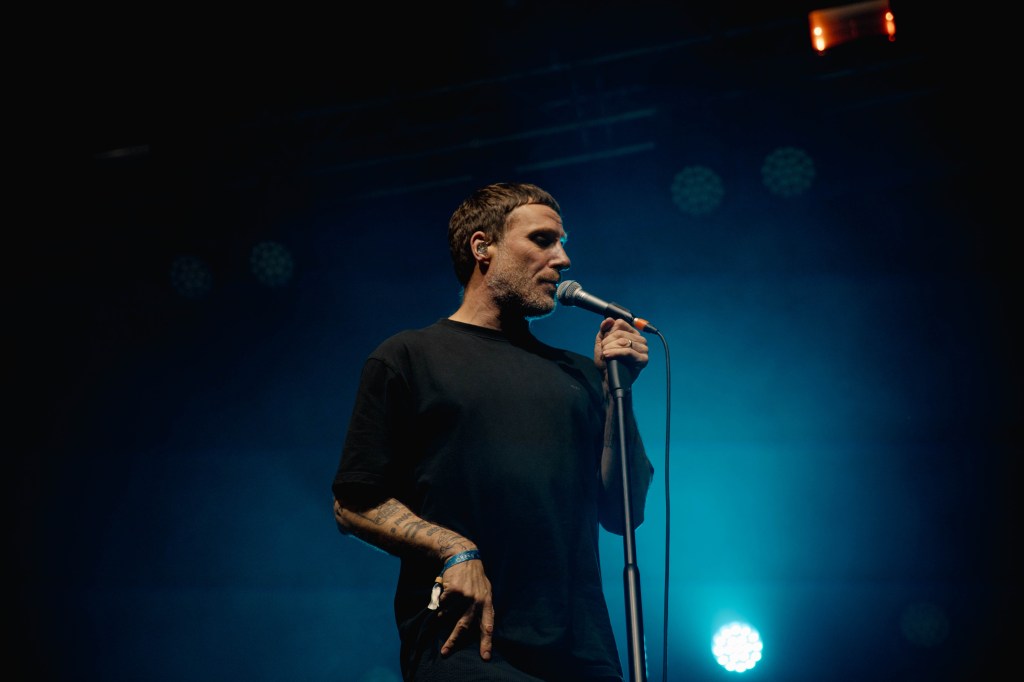
Not all musicians agree that the stage can be an appropriate place for them to discuss the Israel-Palestine conflict. Jason Williamson, singer of another Green Man band Sleaford Mods, stated his position via X:
“I’m a singer. My job is music… The only real thing I know about war is that I’m sick and tired of premature death like we all are. Of the murder of anyone, under whatever fucking belief grid.”
When it comes to Palestine, Williamson felt he should not be asked “to pick sides for something [he] ain’t got any real idea about, at a gig”. The double act are not alone in this sentiment, many artists echoing similar thoughts when issuing social media statements regarding decisions not to boycott BDS targeted festivals. Minding the infamous struggle of succeeding as a creative, it is difficult to broadly condemn those who pursue their art with the ambition of apoliticality.
However, collating the voices of these musicians over the summer has revealed that, whether they are speaking out or not, the music community is sitting with the question of whether they have a responsibility toward political activism. Those who do act are rarely rewarded, especially if their actions are perceived unfavourably on the internet. Yet, the prevailing sentiment from audiences and musicians alike, seems to be one of sympathy for trial and error, and a distaste for complacency.
The success of a political movement depends on a plurality of actions toward a shared end, whether that be speech, donation, rallies or song. What seems more pertinent in this community is the unifying potential of a shared political goal. Efforts through music to agitate for a free Palestine will not depend on the singling out of artists but the coming together of a wider community, as well as identifying connections between Palestine and other issues like climate justice. All such activity. should fuel the belief that relationships built through live performance can bring about real change.
Returning to the thoughts of Jasmine from Ugly:
“It is up to all of us, as human beings, to make collective noise and bring attention to important issues. I truly believe that music is a language that has no barrier; we all understand music in one way or another. But also, music does not necessarily have to be understood, it is felt. And in a world that is so full of greed, violence, contempt, evil and ill-morality/consciences, music is something that can momentarily calm the waters and somehow always brings humans together.
“I don’t know if it’s something that would work nowadays, but something akin to Live Aid could maybe be a turning point in 21st century music protest? Maybe I’m thinking too optimistically here.”
Or maybe that type of thinking, optimistic thinking, which projects aspirations of the music community using their art and audience something bigger than themselves, is exactly what we need.
Recommended sites to donate towards aid for Palestinians and up-to-date information on the situation in Palestine:

 Hard Of Hearing Magazine