
The band’s third album is perhaps the most crystalline distillation of the band’s agenda to date.
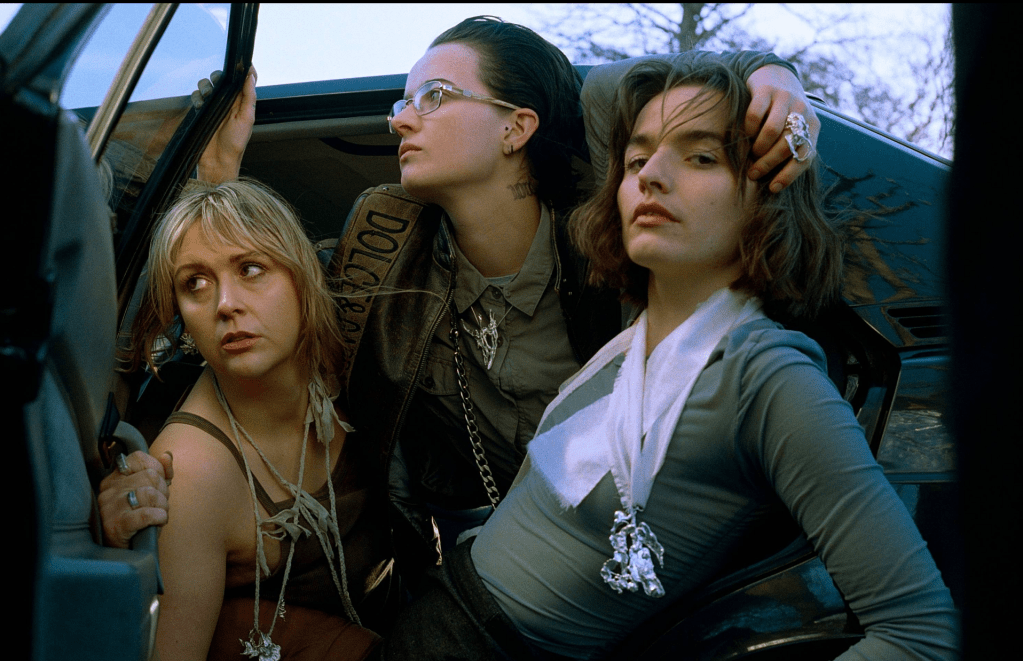
A fixture in the south London scene from their infancy, Goat Girl’s hit tracks like ‘Sad Cowboy’ and ‘Cracker Drool’ have established them as capable purveyors of eerie, melancholic rock, with an urban folk twist, winning them fame far beyond the bounds of their homeland. As their drawing power increased, the band resisted corporate pressures to sex up the act; by remaining true to how they wanted to present, Goat Girl became the polar star for a new generation of bands.
They possess the steely-eyed, thick-skinned, soft-hearted, boot-stomping, earnest power of the real thing and their third album, ‘Below the Waste,’ is the most crystalline distillation of the band’s agenda to date. Still heavy with all the righteous angst of yesteryear and striated with their signature harmonious, lilting vocals, there’s a new dimension to their storytelling, a new and refreshing directness of address. In a press statement, the band said that they hoped the stories told in the album would encourage the listener to, “Imagine a world where oppressive structures are broken and stripped away. Beyond the ugliness of the unnatural and unnecessary, [we] envision a society where collectivism, community and friendship are celebrated…”
‘Below the Waste’ looks toward a fraught future with a hyperawareness of the fragility of the human condition: the band spin out verses imbued with a gritty realism and sense of deep compassion intertwined. ‘Ride Around’ is an earnest plea for certain barriers to be kicked down – “Tell me stuff I didn’t know/Take back all the undergrowth” – and new bonds to form: “Me and you, I think we could be close/Let out all there is to hide.”
Vagrancy is a recurring theme in the album—the idea of a life spent, not without a rudder or a sail, but without a map, without the trappings of guidelines, of rulebooks. It is not implied to be a piteous state but presented simply as a new truth about the future state of our being: There are no blueprints, no guidelines, and no rules, for better or worse.
‘Motorway’ also follows the theme of drifters “moving to a better place,” who are ultimately “on the road to nowhere,” but refuse to stop driving. The narrators muse that society has “fucked it all away,” and we are left spinning our not-so metaphorical wheels in the mud. The last words of the song are a terse, repeated command: “Drive.” The total determination of the narrators is in itself innately hopeful. This hopefulness that permeates the album without denial of the sorry state of things is ultimately its most captivating factor, along with the haunting yet exciting prospect of being set adrift, a nomad in a future dystopia.
It takes a pretty daring brand of courage to get excited about the future in times as dark as these. It takes boldness and bravery to put forth the idea that we might still have the ghost of a chance to emerge from the smog of these dark ages and into the light. It’s pretty daring to hope that compassion will prevail, and our better angels morph from within our twisted skins to save us—pretty daring to hope that hope itself will carry us through on its fragile wings. But of all the meager options we have for the future, hope still sounds like the best one – ‘Below the Waste’ makes that much clear.


 Hard Of Hearing Magazine